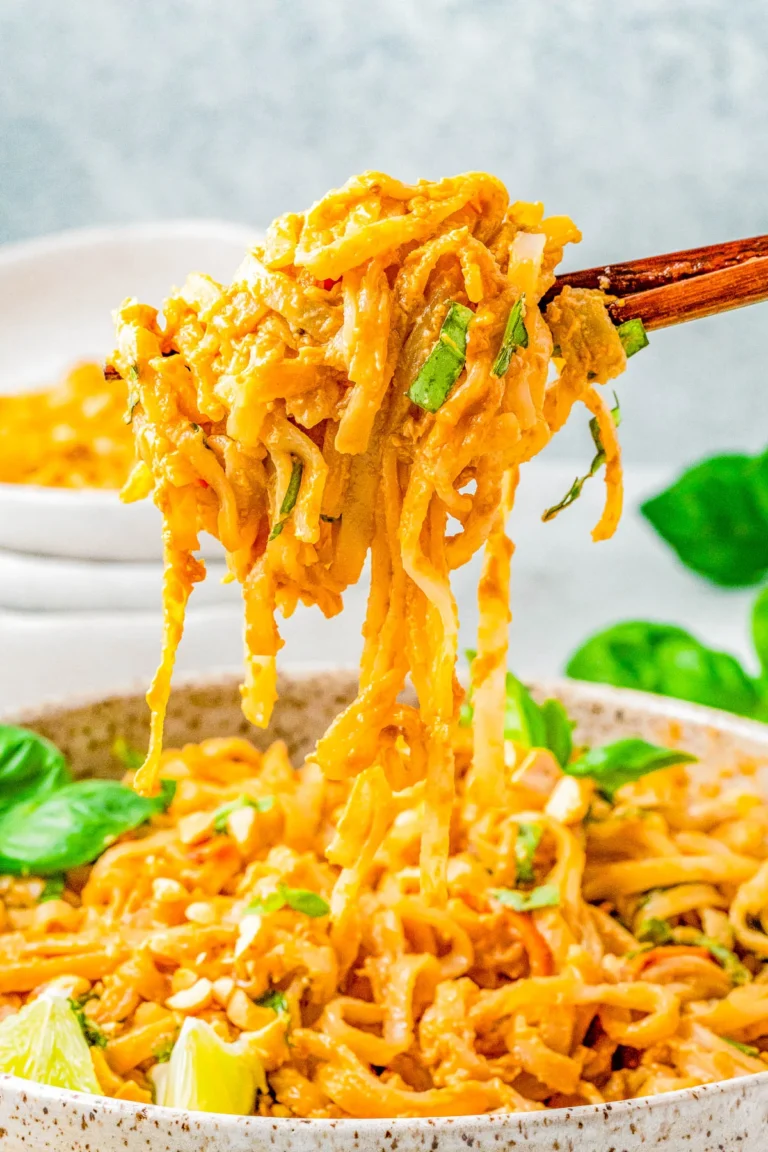

15 Heart-Healthy Recipes to Help Lower Cholesterol
15 Heart-Healthy Recipes to Help Lower Cholesterol Heart health starts in the kitchen. What you eat every day plays a powerful role in managing cholesterol levels, supporting cardiovascular function, and improving overall well-being. The good news? Eating for your heart doesn’t mean bland, boring, or restrictive meals. With the right ingredients—fiber-rich whole grains, healthy fats, lean proteins, legumes, fruits, and vegetables—you can enjoy flavorful dishes while supporting healthier cholesterol levels.
1. Oatmeal with Berries and Nuts

Oatmeal is one of the most well-known heart-healthy breakfasts—and for good reason. Oats are rich in soluble fiber (beta-glucan), which helps reduce LDL (“bad”) cholesterol by binding to it in the digestive system.
Adding berries boosts antioxidants, while nuts contribute healthy unsaturated fats.
Why it supports heart health:
- Soluble fiber helps lower cholesterol
- Antioxidants reduce oxidative stress
- Keeps you full and satisfied
Tip: Use steel-cut or rolled oats for maximum fiber.
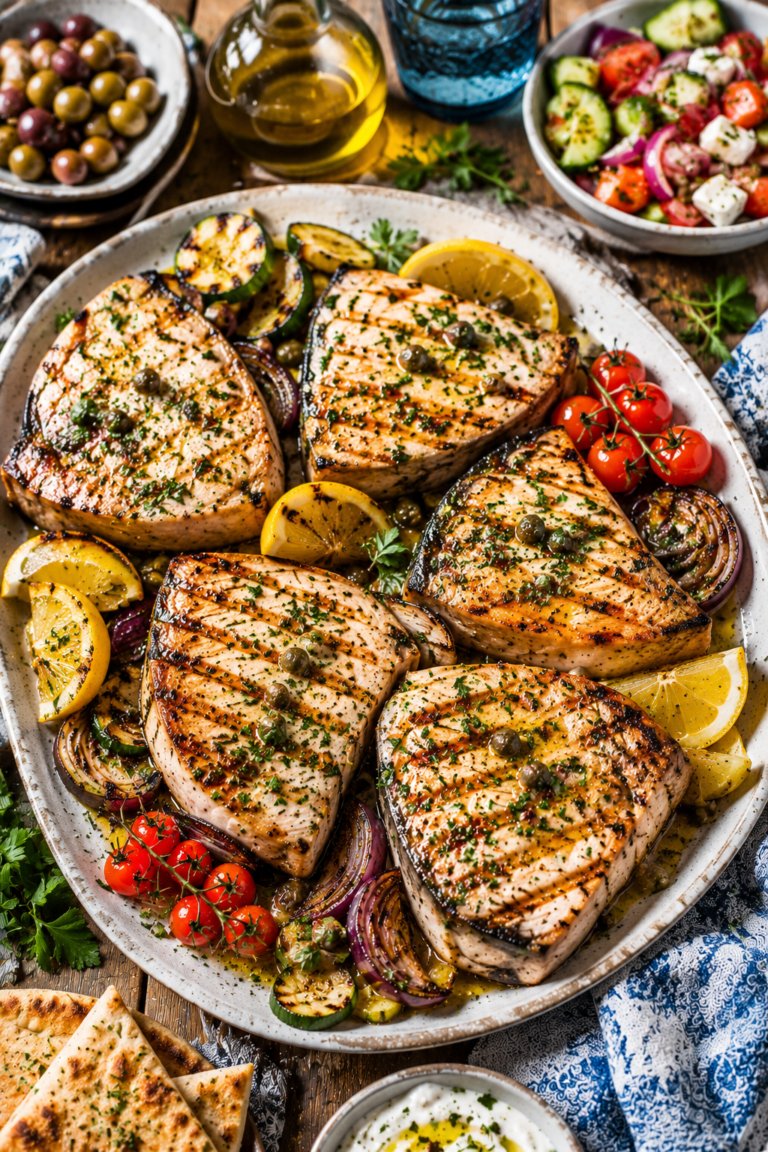
2. Grilled Salmon with Lemon and Herbs
Salmon is packed with omega-3 fatty acids, which are known to support heart health by helping reduce triglycerides and inflammation.
Grilling salmon with lemon, garlic, and fresh herbs keeps the dish light while enhancing natural flavor—no heavy sauces required.
Best served with: Steamed vegetables or whole grains like quinoa.
3. Avocado Toast with Tomatoes and Seeds
Avocado toast isn’t just trendy—it’s genuinely heart-friendly. Avocados provide monounsaturated fats, which can help improve cholesterol balance when used instead of saturated fats.
Tomatoes add antioxidants like lycopene, while seeds (chia, flax, or pumpkin) provide fiber and plant-based omega-3s.
Why it works:
- Healthy fats support HDL (“good”) cholesterol
- High satiety with simple ingredients
- Quick and nutrient-dense
4. Lentil Soup with Garlic and Spinach

Lentils are cholesterol-free and rich in plant-based protein and soluble fiber. This hearty soup delivers comfort while supporting heart health.
Garlic adds flavor and is often associated with cardiovascular benefits, while spinach contributes vitamins, minerals, and antioxidants.
Perfect for: Meal prep and weeknight dinners.
5. Baked Sweet Potato with Black Beans and Avocado
Sweet potatoes are rich in fiber and antioxidants, while black beans provide plant protein and soluble fiber that helps lower cholesterol.
Topped with avocado, this dish delivers a balanced mix of complex carbs, healthy fats, and fiber.
Why it’s heart-smart:
- No added saturated fat
- Naturally filling
- Supports stable blood sugar
6. Quinoa and Chickpea Salad
Quinoa is a whole grain that contains all nine essential amino acids, while chickpeas add fiber and plant-based protein.
Tossed with vegetables, olive oil, and lemon, this salad supports heart health while staying light and refreshing.
Key benefit: High fiber helps reduce cholesterol absorption.
7. Stir-Fried Tofu with Vegetables and Brown Rice

Tofu is a heart-friendly protein made from soy, which is associated with improved cholesterol profiles when used as a replacement for animal protein.
Paired with colorful vegetables and brown rice, this dish offers fiber, antioxidants, and sustained energy.
Cooking tip: Use minimal oil and opt for heart-healthy oils like olive or avocado oil.
8. Whole-Wheat Pasta with Spinach and Mushrooms
Switching from refined pasta to whole-wheat pasta significantly increases fiber intake—an important factor in cholesterol management.
Spinach and mushrooms add nutrients and volume without excess calories, making this a satisfying yet heart-conscious meal.
Why it’s better:
- More fiber than white pasta
- Lower glycemic impact
- Keeps meals filling
9. Baked Salmon with Garlic and Almond Crust
This variation on salmon adds crushed almonds for crunch and additional healthy fats. Nuts are associated with improved heart health due to their unsaturated fats and fiber.
Baking instead of frying keeps saturated fat low while preserving flavor.
Serve with: Roasted vegetables or leafy greens.
10. Chickpea and Spinach Curry
This plant-based curry is rich in fiber, antioxidants, and heart-friendly spices. Chickpeas support cholesterol reduction, while spinach contributes potassium and folate.
Using spices instead of heavy cream keeps the dish flavorful yet light.
Why it’s heart-healthy:
- Plant-based protein
- Naturally cholesterol-free
- Anti-inflammatory spices
11. Hummus and Veggie Wrap
Hummus is made from chickpeas and tahini, both of which provide fiber and healthy fats. Wrapped in a whole-grain tortilla with vegetables, this meal is portable and heart-smart.
Replacing processed meats with plant-based spreads can significantly reduce saturated fat intake.
Great for: Lunches and quick meals.
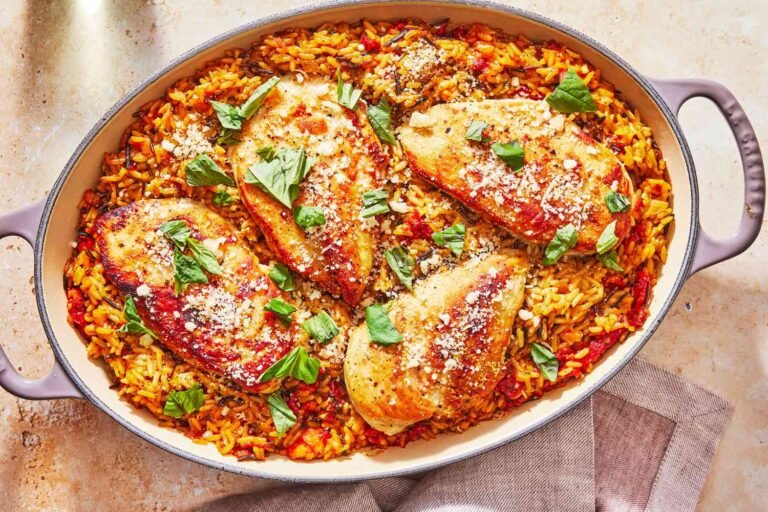
12. Grilled Chicken with Roasted Vegetables
Skinless chicken breast is a lean protein option that fits well into a heart-healthy diet when grilled or baked.
Roasted vegetables add fiber, antioxidants, and volume without added cholesterol.
Tip: Season with herbs instead of salt-heavy marinades.
13. Chia Seed Pudding with Almond Milk
Chia seeds are rich in soluble fiber and omega-3 fatty acids, making them a powerful heart-supporting food.
Made with unsweetened almond milk and topped with fruit, this pudding works well as breakfast or a healthy dessert.
Why it helps:
- Supports cholesterol balance
- High satiety
- Naturally dairy-free
14. Roasted Cauliflower and Chickpea Bowl

Cauliflower is low in calories and high in fiber, while chickpeas provide protein and cholesterol-lowering soluble fiber.
Roasting brings out natural flavors, making this bowl satisfying without excess fat.
Flavor idea: Add tahini or lemon for brightness.
15. Mixed Berry Smoothie with Flaxseeds
Berries are rich in antioxidants and fiber, while flaxseeds provide plant-based omega-3s and soluble fiber.
Blended with unsweetened milk or yogurt alternatives, this smoothie is refreshing and heart-supportive.
Why it’s effective:
- Fiber helps reduce LDL cholesterol
- Antioxidants support vascular health
- Easy daily habit
Final Thoughts
Lowering cholesterol doesn’t require extreme diets or giving up flavor—it requires consistent, smart food choices. Meals rich in fiber, healthy fats, lean proteins, and plant-based ingredients can support heart health while still being deeply satisfying.
These 15 heart-healthy recipes to help lower cholesterol show that nourishing your heart can be delicious, accessible, and enjoyable. By incorporating more whole grains, legumes, fruits, vegetables, nuts, and healthy fats into your routine, you build habits that support long-term cardiovascular wellness—one meal at a time.